**Meta Description (149 characters):**
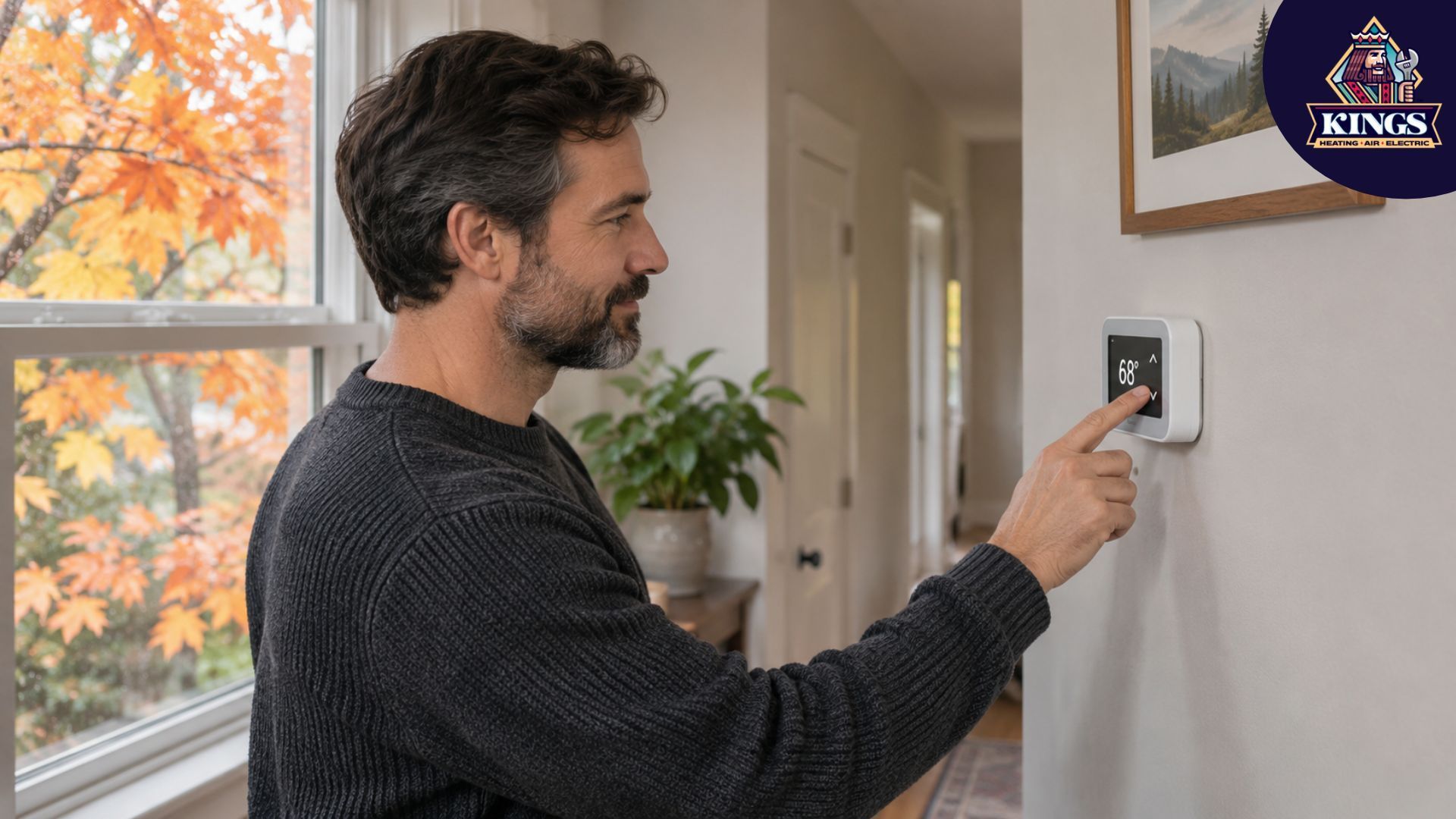
Learn why upstairs rooms feel colder in your Lynnwood home this fall and how Kings Heating can help diagnose airflow, ductwork, or furnace issues.
**Meta Description (146 characters):**
Prepare your home for colder weather with a fall heating checklist from Kings Heating, including HVAC maintenance, airflow, filters, and drafts.
**Meta Description (150 characters):**
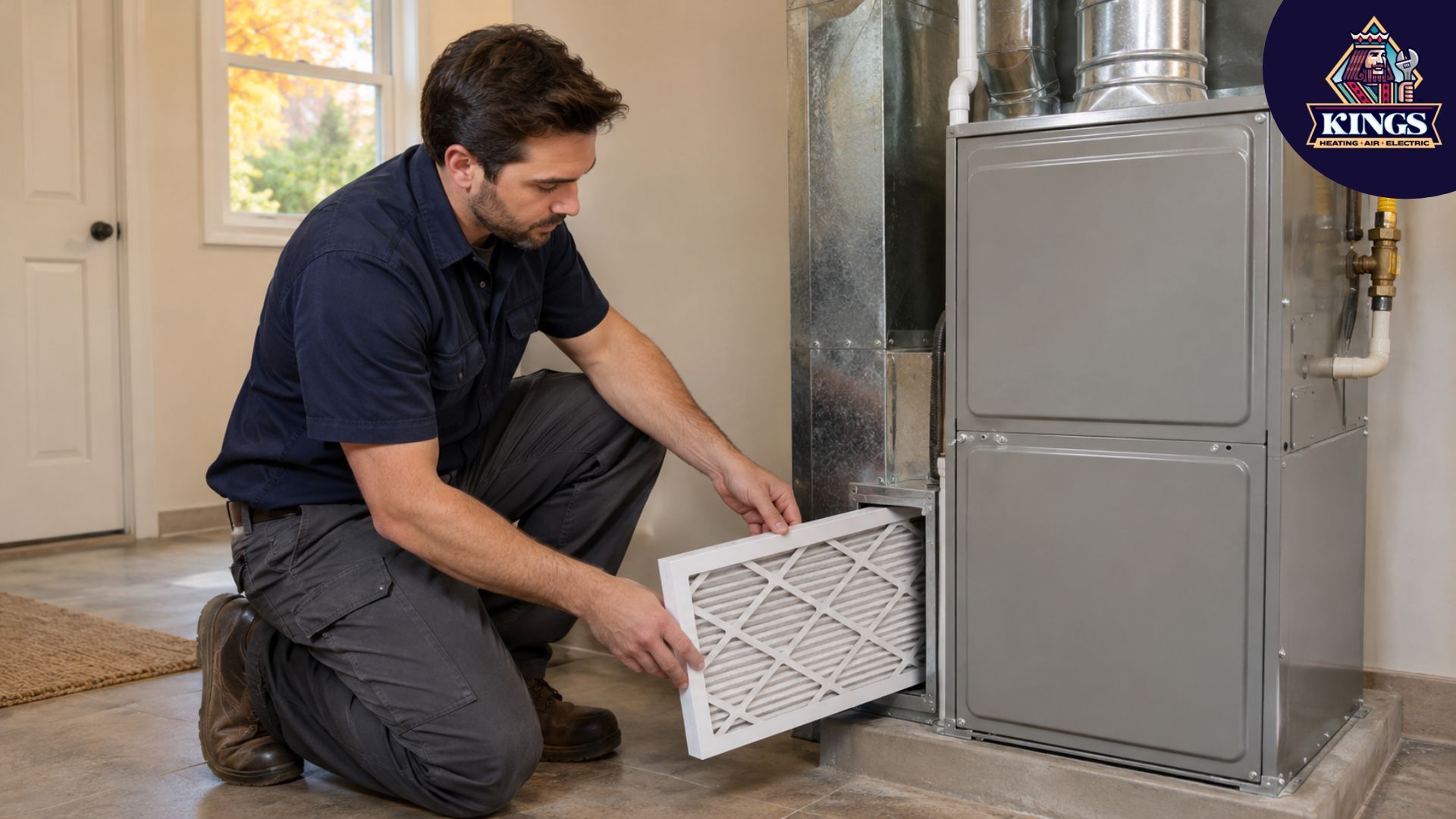
Avoid emergency furnace repairs during Lynnwood’s coldest months with preventive maintenance, early warning checks, and expert help from Kings Heating.
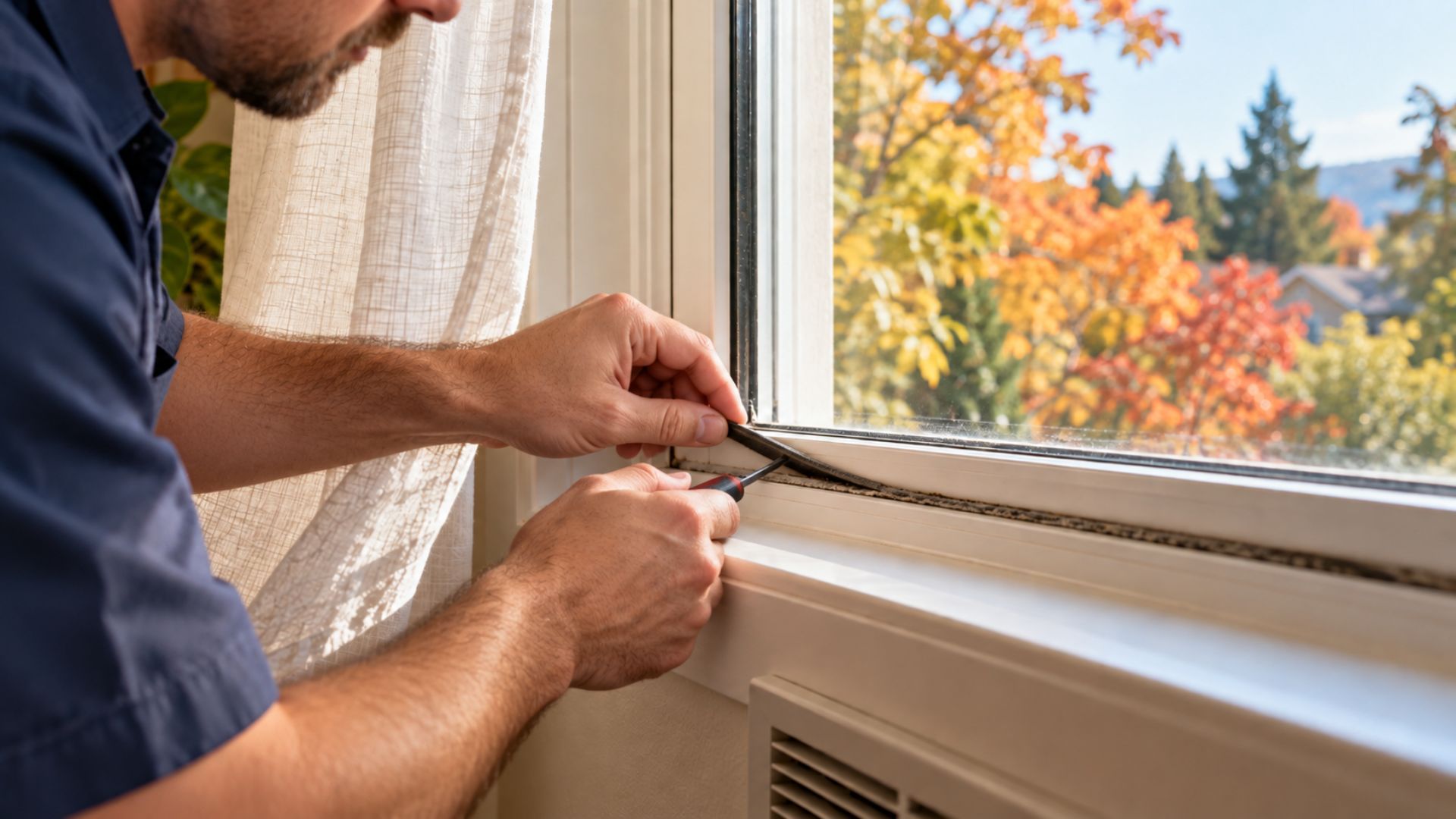
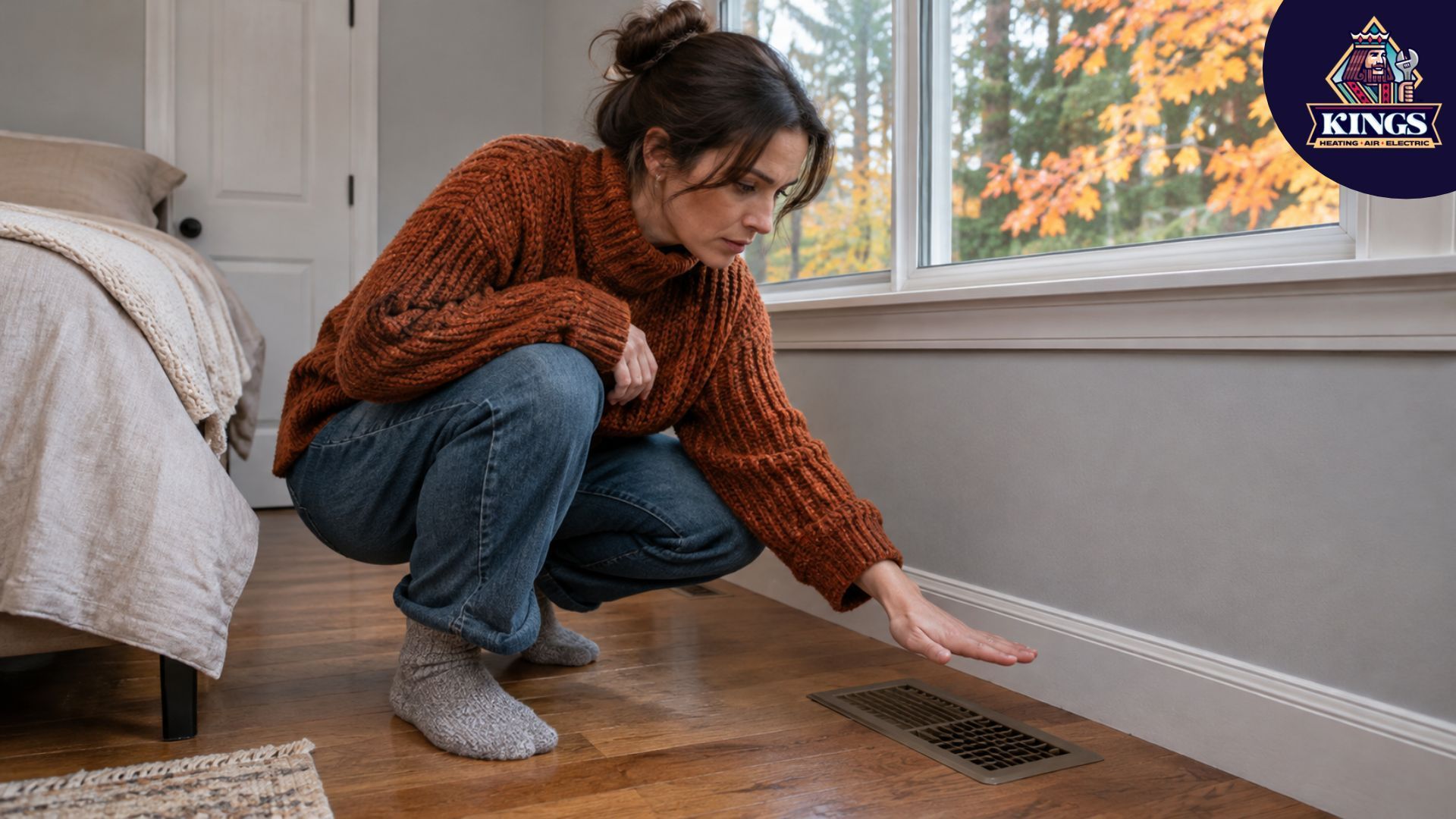
Before you turn on your furnace for the first time, it is worth checking whether your home can actually hold onto the warm air your heating system produces. Small gaps around windows, doors, attic openings, and other areas can allow heated air to escape while cold outdoor air enters. If you notice drafts, uneven temperatures, or heating bills that keep increasing, air leaks could be part of the problem. Your furnace may need to run longer and more frequently to maintain the temperature you want. Checking for obvious leaks before heating season gives you time to address problems and prepare your HVAC system for colder weather. If you need professional heating maintenance or help determining why your home is difficult to keep comfortable, Kings Heating, Air & Electric can help you identify potential HVAC and airflow problems. Why Air Leaks Matter During Heating Season Your heating system works best when your home can retain the conditioned air it produces. When warm air escapes through gaps and cracks, your furnace or heat pump has to compensate for the lost heat. That can lead to longer heating cycles, higher energy use, and inconsistent indoor temperatures. You may also notice that some rooms feel comfortable while others remain noticeably colder. Air leaks can occur gradually as your home settles and materials expand and contract. Worn seals around doors and windows can also become less effective over time. Before winter arrives, look for signs that your home is losing heated air. Where You Should Look for Air Leaks You do not necessarily need specialized equipment to find obvious air leaks. Start with areas where indoor and outdoor spaces meet. Windows and exterior doors: Check around window frames, sliding doors, entry doors, thresholds, and weatherstripping. If you feel cold air around a closed window or door, the seal may need attention. Attic access: Warm air rises, making attic hatches, pull-down stairs, recessed lights, and openings around plumbing or electrical fixtures potential sources of heat loss. Basements and crawl spaces: Check foundation areas, basement windows, rim joists, and utility penetrations. Air entering from below can make floors and lower-level rooms feel especially cold. Electrical outlets: Outlets located on exterior walls can sometimes allow drafts through gaps around the electrical box. If you consistently feel cold air around an outlet, it may be worth having the area inspected. Ductwork: Do not overlook your HVAC ducts. If ducts are disconnected, damaged, or poorly sealed, heated air can escape into an attic, crawl space, garage, or basement instead of reaching your living areas. Signs Your Home May Have Air Leaks Your home may be telling you that heated air is escaping. Watch for these common warning signs. You Feel Drafts Cold spots around windows, doors, baseboards, fireplaces, or exterior walls can indicate unwanted air movement. On a cool day, slowly move your hand around these areas to see if you can feel a noticeable draft. Some Rooms Stay Colder If your thermostat shows the desired temperature but certain rooms remain chilly, air leakage could be one factor. Poor insulation, ductwork problems, restricted airflow, and heating equipment issues can also contribute to uneven temperatures. Your Heating Bills Are Increasing A sudden increase in heating costs can have several causes, including colder weather and changing energy rates. However, if your home is using more energy than expected, air loss or HVAC efficiency problems may be contributing. Your Furnace Runs Constantly Your furnace needs to run longer when heat continually escapes from your home. If it seems to operate almost continuously without reaching the temperature you set, you should have the system and home airflow evaluated. Simple Ways to Check for Air Leaks A few basic checks can help you identify obvious problems before heating season begins. Try the paper test around exterior doors. Close the door on a piece of paper. If you can pull the paper out easily, the weatherstripping may not be creating a strong seal. You can also inspect windows and doors for visible gaps, cracked caulking, damaged weatherstripping, or daylight around the frame. If you can safely access your attic, look for gaps around the attic hatch and building penetrations. Dirty insulation around an opening can sometimes indicate air movement. For less obvious problems, professional testing may be necessary. An HVAC technician can evaluate airflow and ductwork to determine whether conditioned air is being lost inside your home. Prepare Your HVAC System Before Heating Season Sealing obvious air leaks is only part of preparing your home for colder weather. Your heating system should also be inspected before you depend on it every day. Replace a dirty HVAC filter, keep supply and return vents unobstructed, and schedule professional heating maintenance before temperatures drop significantly. During a heating service appointment, a qualified HVAC technician can check system operation, airflow, electrical components, thermostat performance, and other factors that affect comfort and efficiency. Kings Heating, Air & Electric provides heating and HVAC services to help you prepare your home for the heating season. If you are dealing with persistent drafts, uneven temperatures, or a heating system that seems to work harder than it should, professional service can help determine whether the problem involves air leakage, ductwork, equipment performance, or several factors together. Final Thoughts Checking your home for air leaks before heating season can help you identify comfort and efficiency problems before they become more noticeable during colder weather. Start with windows, doors, attic access points, basements, crawl spaces, and visible ductwork. If you continue experiencing drafts, cold rooms, rising heating costs, or unusually long furnace cycles, do not assume the problem is simply your thermostat. Your HVAC system and airflow may need professional attention. With preventive heating maintenance and timely HVAC service from a trusted local provider like Kings Heating, you can take steps toward a warmer, more comfortable home throughout the heating season. Frequently Asked Questions How can you tell if your home has air leaks? Look for drafts around windows and doors, visible gaps, damaged weatherstripping, uneven room temperatures, and unexplained increases in heating costs. Can air leaks increase heating costs? Yes. When heated air escapes, your heating system may need to operate longer to maintain your thermostat setting, which can increase energy consumption. Should you check for air leaks before winter? Yes. Checking for leaks before heating season gives you time to address gaps, worn seals, ductwork concerns, and other problems before you rely heavily on your heating system. Can HVAC professionals find hidden air leaks? Yes. Professional HVAC service can help identify airflow and ductwork problems that may not be obvious during a basic homeowner inspection.
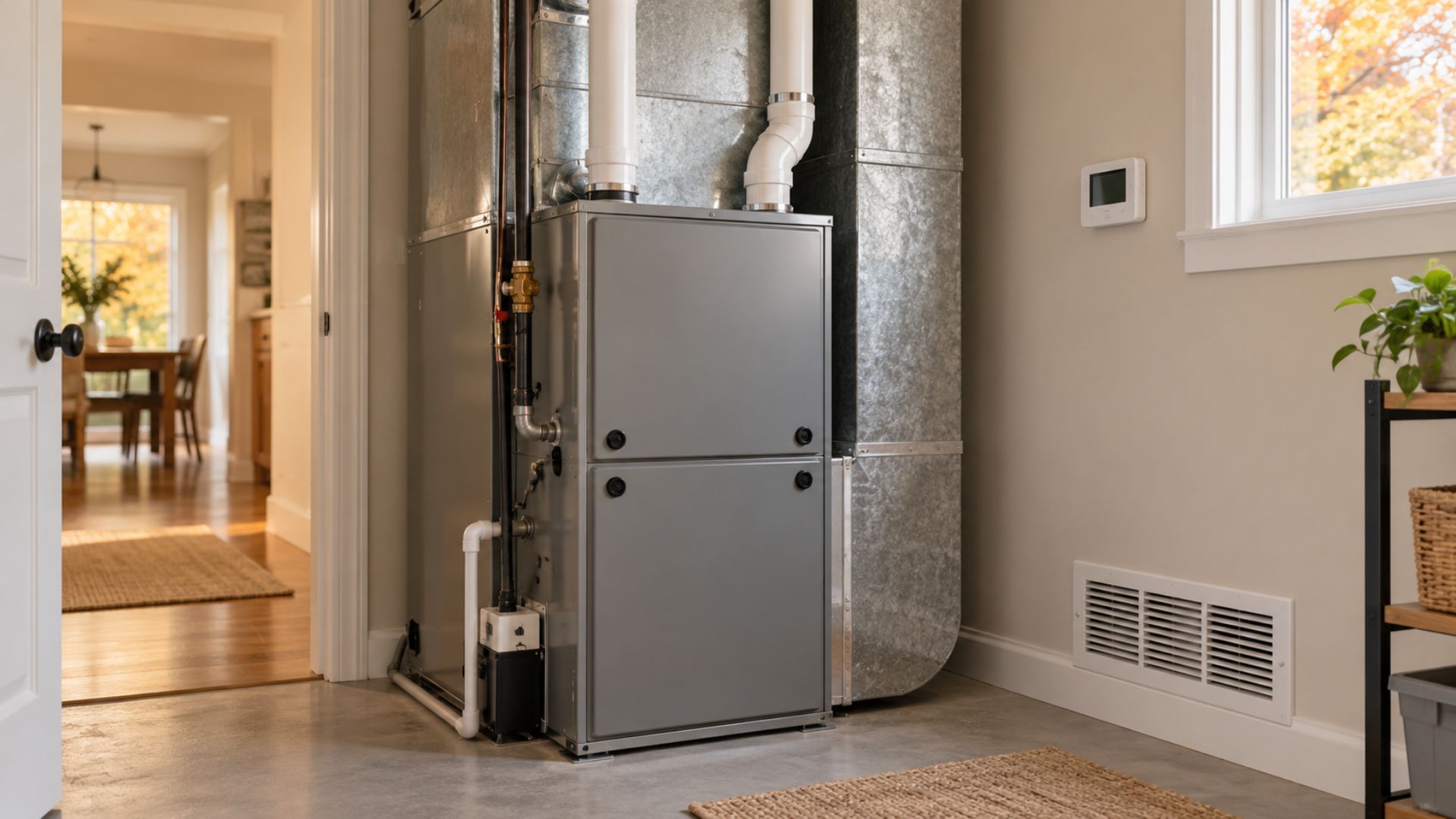
Why Your Furnace Makes Strange Noises After Months of Sitting Idle

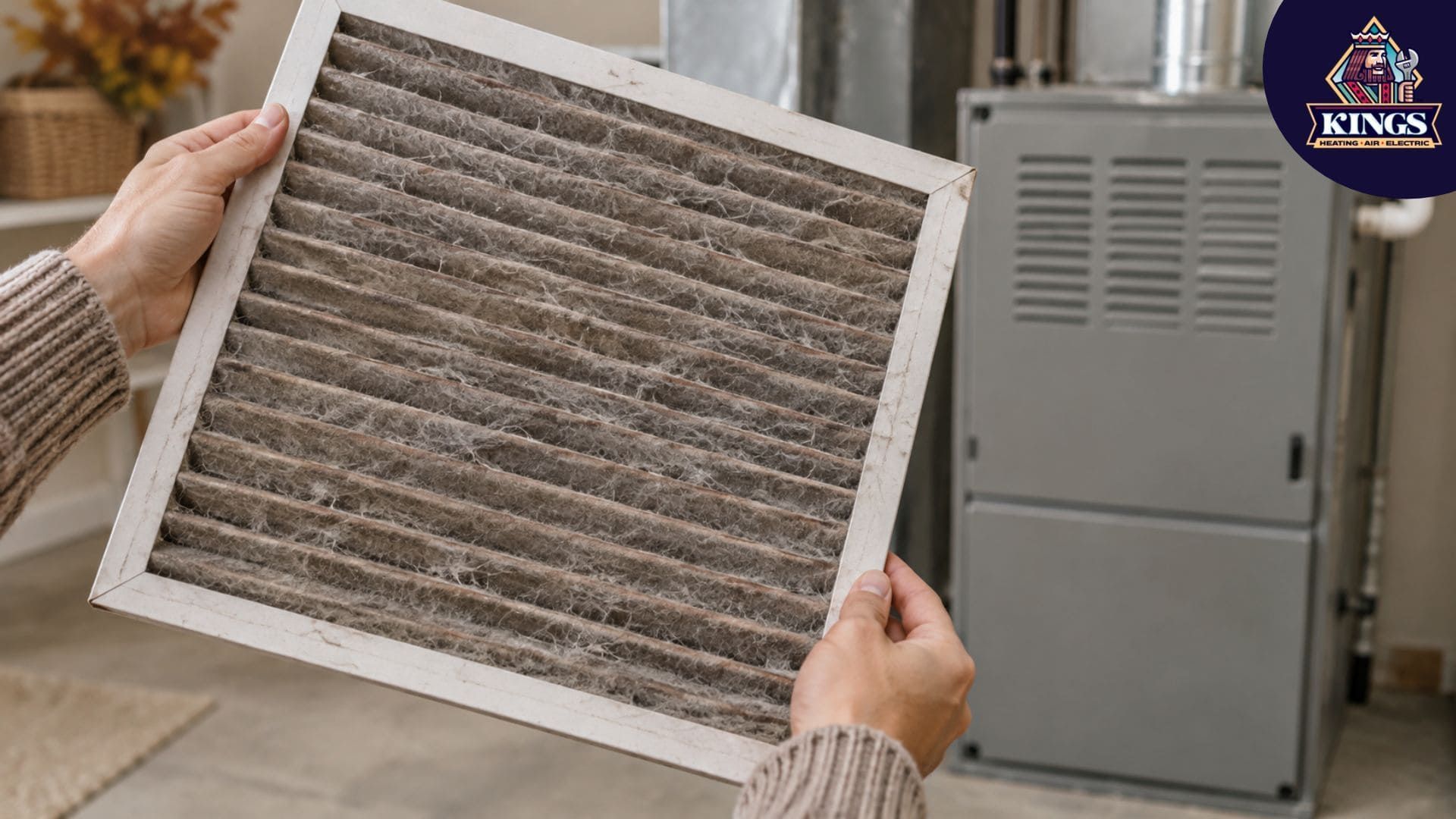
Introduction As temperatures begin to cool in Lynnwood, many homeowners start preparing their homes for the transition from summer cooling to fall and winter heating. While the seasonal change may feel gradual, HVAC systems often experience a major shift in workload as heating season approaches. For many families, scheduling a seasonal HVAC inspection before fall begins is one of the most effective ways to identify potential issues early, improve HVAC efficiency, and reduce the risk of unexpected breakdowns during colder weather. Routine inspections help ensure that furnaces, heat pumps, airflow systems, electrical components, and indoor air quality features are ready for increased seasonal demand. Many homeowners throughout Lynnwood and surrounding Snohomish County communities rely on Kings Heating, Air & Electric for HVAC maintenance service, seasonal HVAC inspections, furnace maintenance, heat pump maintenance, heating system diagnostics, and performance evaluations before colder weather arrives. Fall Is the Ideal Time to Identify HVAC Problems Early Many HVAC issues develop gradually and may not become obvious until the heating system is needed regularly. Small Problems Can Become Larger Repairs During summer, homeowners may not notice issues affecting heating performance because their furnace or heat pump is not operating daily. Potential concerns include: Worn electrical components Airflow restrictions Dirty system components Thermostat calibration issues Ductwork leaks Declining system efficiency Seasonal HVAC inspections help identify these issues before they develop into larger and more expensive HVAC repair service needs. Early Scheduling Helps Avoid Peak-Season Delays Once colder temperatures arrive, heating service demand often increases significantly. Scheduling an HVAC inspection before fall helps homeowners: Secure convenient appointment times Address repairs before winter Avoid unexpected heating interruptions Prepare equipment for colder weather Proactive maintenance can help reduce stress when temperatures begin to drop. HVAC Inspections Help Improve Heating Efficiency One of the most common reasons homeowners schedule HVAC maintenance service before fall is to improve system performance and efficiency. Clean Systems Operate More Effectively Over time, HVAC systems accumulate dust, debris, and buildup that may affect performance. A professional inspection may include evaluating: Air filters Blower components Airflow pathways Electrical connections Thermostat operation System cleanliness Clean and properly maintained equipment often operates more efficiently and experiences less strain during heating season. Better Efficiency Can Reduce Energy Costs When heating systems operate efficiently, they generally require less energy to maintain comfort. Benefits may include: Lower heating bills Improved airflow More consistent indoor temperatures Reduced equipment strain Improved energy-efficient heating performance These improvements become especially valuable during extended periods of colder weather. Why Furnaces Should Be Inspected Before Fall Many furnaces remain inactive for several months during spring and summer. Heating Systems Often Sit Unused for Months When colder temperatures return, hidden issues may surface quickly if the system has not been inspected. A furnace inspection can help identify: Ignition problems Airflow restrictions Electrical issues Worn components Safety concerns Addressing these problems before winter often helps improve system reliability. Furnace Maintenance Supports Reliable Heating Routine furnace maintenance may help: Improve heating efficiency Reduce breakdown risks Improve airflow Extend equipment lifespan Support more reliable winter performance Preventive maintenance is often more affordable than emergency repairs during peak heating season. Heat Pump Systems Also Benefit From Fall Maintenance Many Lynnwood homeowners use heat pumps for year-round comfort. Heat Pumps Transition Between Cooling and Heating Modes As temperatures cool, heat pumps shift from air conditioning operation to heating mode. A professional heat pump inspection may evaluate: Refrigerant levels Airflow performance Electrical components Thermostat settings Outdoor unit condition These evaluations help ensure reliable performance during colder months. Heat Pump Maintenance Supports Efficiency Routine heat pump maintenance may help: Improve heat pump efficiency Reduce system strain Support energy-efficient heating Improve indoor comfort Extend equipment lifespan Preventive maintenance is one of the best ways to maximize long-term heat pump performance. Seasonal HVAC Inspections Support Indoor Air Quality As families spend more time indoors during fall and winter, indoor air quality becomes increasingly important. Air Filters and Airflow Affect Comfort Dirty filters and restricted airflow may contribute to: Increased dust accumulation Reduced airflow Poor indoor air quality Additional HVAC system strain Routine HVAC maintenance service often includes filter inspections and airflow evaluations. Ductwork Inspections Can Identify Hidden Problems Leaky or damaged ductwork can affect both HVAC efficiency and indoor air quality. A professional inspection may identify: Air leaks Damaged duct insulation Dust buildup Airflow imbalances Reduced system efficiency Addressing these issues before winter may improve comfort throughout the home. Heating System Safety Checks Are Important Before Winter Fall inspections focus on more than efficiency alone. Furnace and Heating Components Should Be Evaluated Heating systems contain important safety-related components that should be inspected regularly. Professional evaluations may include checking: Electrical connections Burners Safety controls Heat exchangers Combustion performance These inspections help identify potential concerns before heavy seasonal use begins. Carbon Monoxide Risks Should Not Be Overlooked For homes using gas heating equipment, routine inspections may help identify issues that could affect safe operation. Professional furnace inspections play an important role in supporting heating system safety and reliability. Prevent Unexpected Heating Breakdowns One of the biggest benefits of seasonal HVAC inspections is reducing the risk of unexpected heating failures. Fall Inspections Help Reduce Emergency Repairs A professional inspection may identify issues before they lead to emergency heating repair situations during winter. Potential warning signs include: Strange noises Weak airflow Frequent cycling Rising utility bills Uneven temperatures Delayed system startup Addressing these concerns early often helps avoid more costly repairs later. Early Repairs Often Cost Less Minor maintenance issues identified during fall inspections are frequently easier and less expensive to address than major breakdowns during peak winter conditions. Common Signs Your HVAC System May Need Inspection Some homeowners schedule inspections annually, while others wait until symptoms appear. Watch for These Common Warning Signs Consider scheduling an HVAC inspection if you notice: Uneven temperatures throughout the home Weak airflow from vents Rising utility bills Strange noises Frequent cycling Excess dust indoors Reduced heating performance Unusual odors when the system operates These symptoms may indicate airflow restrictions, component wear, or efficiency problems that should be evaluated before colder weather arrives. What Happens During a Seasonal HVAC Inspection? Many homeowners are unsure what a professional HVAC inspection includes. Technicians Evaluate Overall System Performance A seasonal HVAC inspection may involve checking: Air filters Thermostat calibration Electrical components Airflow balance Ductwork condition Heat exchanger performance Safety controls Indoor air quality concerns Furnace operation Heat pump operation The goal is to identify issues that could affect comfort, efficiency, reliability, or safety during the upcoming heating season. Many Lynnwood families rely on Kings Heating, Air & Electric for seasonal HVAC inspections, furnace maintenance, heat pump inspections, HVAC diagnostics, and heating system tune-ups before fall weather arrives. Why Preventive HVAC Maintenance Can Save Money Many heating system problems become more expensive when left unresolved. Early Detection Often Reduces Repair Costs Identifying issues before winter may help: Prevent emergency heating repair calls Improve heating efficiency Reduce energy consumption Extend equipment lifespan Improve indoor comfort Support better indoor air quality Routine HVAC maintenance service remains one of the most cost-effective ways to protect long-term system performance. FAQ Why should HVAC systems be inspected before fall? A fall HVAC inspection helps identify efficiency, airflow, safety, and performance issues before heating season begins. What is included in a seasonal HVAC inspection? Inspections often include evaluating filters, airflow, electrical components, thermostat operation, safety controls, furnace performance, and heat pump operation. Can HVAC maintenance reduce heating costs? Yes. Proper maintenance can improve efficiency, helping reduce energy consumption and heating expenses. Do heat pumps need fall maintenance? Yes. Heat pump maintenance and inspections help ensure the system operates efficiently when transitioning into heating mode. Why is furnace maintenance important before winter? Furnace maintenance helps identify potential issues early, improves efficiency, supports safe operation, and reduces the risk of breakdowns during colder weather. Can HVAC inspections improve indoor air quality? Yes. HVAC inspections may identify dirty filters, airflow restrictions, ductwork issues, and other concerns that can affect indoor air quality and comfort. Final Thoughts Many Lynnwood families schedule HVAC inspections before the fall season begins because preventive maintenance helps improve efficiency, reliability, comfort, and safety before colder temperatures arrive. Whether a home relies on a furnace, heat pump system, or another heating solution, seasonal HVAC inspections help identify hidden issues before they affect performance during winter. Regular HVAC maintenance service also supports better indoor air quality, more consistent temperatures, and lower long-term operating costs. For many homeowners, scheduling a furnace inspection, heat pump inspection, or seasonal HVAC maintenance appointment before fall is one of the simplest ways to support energy-efficient heating, reduce the likelihood of emergency heating repairs, and maintain reliable HVAC performance throughout the colder months.

Introduction As summer progresses in Lynnwood, many homeowners expect their air conditioning system to continue operating as it has all season. However, late summer heat can place additional demands on HVAC equipment, especially older air conditioning systems. Extended cooling cycles, higher indoor comfort demands, and months of accumulated wear can make aging equipment work harder than usual. While newer systems are often designed with improved energy efficiency and performance features, older AC units may struggle to maintain consistent temperatures during prolonged periods of warm weather. This increased workload can lead to reduced cooling performance, higher energy bills, and a greater risk of unexpected breakdowns. Understanding how late summer heat affects older HVAC systems can help homeowners identify warning signs early and schedule necessary HVAC maintenance service before minor issues become costly repairs. Many homeowners throughout Lynnwood and surrounding Snohomish County communities rely on Kings Heating, Air & Electric for HVAC maintenance service, seasonal HVAC inspections, AC tune-ups, cooling system diagnostics, and energy-efficiency evaluations to help keep systems operating reliably throughout the summer. Older Air Conditioning Systems Work Harder During Extended Heat By late summer, most air conditioning systems have already spent months operating regularly to maintain indoor comfort. Continuous Operation Increases Equipment Wear During periods of prolonged heat, older systems often run longer cooling cycles to maintain thermostat settings. Over time, this continuous operation places additional stress on critical HVAC components. This may affect: Compressors Blower motors Condenser fans Electrical components Refrigerant systems The older the equipment, the more likely normal wear and tear can affect overall HVAC performance. Aging Components Become Less Efficient As AC systems age, components naturally lose efficiency. Even if the system is still functioning, it may require more energy to produce the same cooling results. Homeowners may notice: Longer cooling cycles Reduced airflow Uneven temperatures Increased energy consumption Declining cooling system efficiency Routine HVAC maintenance service can often identify these issues before they become larger problems. Higher Outdoor Temperatures Increase Cooling Demands Late summer heat places additional pressure on cooling systems because maintaining comfortable indoor temperatures becomes more challenging. AC Systems Must Remove More Heat Air conditioners remove heat from the home and transfer it outdoors. When outdoor temperatures remain elevated for extended periods, this process becomes more difficult. Older systems may struggle to: Cool the home consistently Maintain thermostat settings Keep upstairs rooms comfortable Manage indoor humidity Maintain energy-efficient cooling This increased demand can accelerate wear on aging HVAC equipment. Peak Heat Often Reveals Existing Problems Late summer temperatures frequently expose issues that may have been developing for months. These problems may include: Dirty coils Restricted airflow Low refrigerant levels Worn electrical components Ductwork inefficiencies What seemed like a minor issue in early summer can become a major comfort problem during prolonged heat. Dirty Components Can Reduce Cooling Performance Even small maintenance issues can become significant when temperatures remain high. Dirty Air Filters Restrict Airflow Clogged air filters force the HVAC system to work harder to circulate air throughout the home. This may result in: Weak airflow Longer cooling cycles Increased energy use Uneven cooling Reduced HVAC performance Regular filter replacement remains one of the most important forms of air conditioning maintenance. Dirty Coils Reduce Heat Transfer Evaporator and condenser coils play a critical role in cooling performance. When dirt and debris accumulate on these components, heat transfer becomes less efficient. This can contribute to: Reduced cooling capacity Higher utility bills Increased system strain More frequent HVAC repair service needs Routine AC tune-ups help keep these components clean and functioning efficiently. Aging Electrical Components Can Become Less Reliable Electrical components naturally wear over time, particularly after years of seasonal operation. Capacitors and Contactors May Weaken Older electrical components may become less reliable as they age. Potential warning signs include: Difficulty starting the system Frequent cycling Unusual noises Inconsistent cooling performance Seasonal HVAC inspections can help identify these issues before a breakdown occurs. Extended Heat Can Accelerate Wear During periods of prolonged summer heat, electrical parts often operate under greater stress. This may increase the likelihood of: Component failure Reduced system reliability Emergency HVAC repair needs Unexpected cooling interruptions Preventive maintenance can often identify worn parts before they fail. Older Systems May Struggle With Energy Efficiency One of the most noticeable effects of late summer strain is increased energy consumption. Longer Cooling Cycles Increase Utility Costs As efficiency declines, older systems often run longer to achieve the same cooling results. Homeowners may experience: Rising energy bills Reduced cooling performance Increased operating costs More frequent maintenance needs Improving HVAC efficiency often begins with identifying the source of added system strain. Energy-Efficient Cooling Becomes More Difficult Modern HVAC systems are generally designed to operate more efficiently than older equipment. While maintenance can help maximize performance, aging systems may still struggle to provide the same level of energy-efficient cooling as newer technology. Indoor Air Quality Can Be Affected Late summer strain can affect more than temperature control alone. Reduced Airflow May Impact Comfort When airflow decreases, indoor comfort often suffers. This may contribute to: Hot and cold spots Stuffy rooms Increased humidity Reduced air circulation These issues can make a home feel uncomfortable even when the AC is running. HVAC Maintenance Supports Indoor Air Quality Routine HVAC maintenance service helps ensure filters, coils, and airflow pathways remain clean and functioning properly. This supports: Better indoor air quality Improved airflow Enhanced HVAC performance Greater indoor comfort When an Older AC System May Be Nearing Replacement Not every older air conditioner needs immediate replacement, but there comes a point when repairs may no longer be the most cost-effective option. Frequent Repairs Can Increase Long-Term Costs As systems age, repair needs often become more frequent and expensive. Homeowners should consider a professional evaluation if they notice: Frequent breakdowns Rising repair costs Consistently high energy bills Difficulty maintaining comfort Equipment approaching 10–15 years of age or older A professional HVAC inspection can help determine whether continued repairs or HVAC replacement is the better long-term investment. Newer Systems May Offer Greater Efficiency Modern cooling systems often provide improved performance and energy savings. Some homeowners choose a cooling system upgrade or explore heat pump installation options because modern heat pump systems can provide both heating and cooling while improving overall efficiency. Signs You May Need Emergency HVAC Repair While many issues develop gradually, some warning signs require immediate attention. Do Not Ignore These Symptoms Contact an HVAC professional if you experience: The AC stops cooling completely Burning odors coming from the system Electrical issues or tripped breakers Loud grinding or screeching noises The system will not start Sudden refrigerant leaks Prompt service may help prevent further damage and restore comfort more quickly. How HVAC Maintenance Services Help Older AC Systems Regular HVAC maintenance service is one of the best ways to reduce strain on aging equipment. Professional Evaluations Can Identify Hidden Problems A technician may inspect: Airflow performance Refrigerant levels Electrical components Condenser and evaporator coils Thermostat operation Ductwork condition Overall HVAC efficiency These evaluations help homeowners make informed decisions regarding repairs, maintenance, HVAC replacement, or cooling system upgrades. Many Lynnwood homeowners rely on Kings Heating, Air & Electric for HVAC maintenance service, AC tune-ups, HVAC inspections, cooling system diagnostics, heat pump installation consultations, and energy-efficiency evaluations. Why Early Maintenance Can Prevent Costly Breakdowns Waiting until an older system fails during a heatwave can lead to emergency repairs and extended periods of discomfort. Preventive Maintenance Helps Reduce Risk Routine maintenance may help: Improve HVAC performance Support energy-efficient cooling Reduce equipment strain Extend system lifespan Improve indoor comfort Lower the likelihood of unexpected breakdowns Addressing small issues early is often more affordable than dealing with major system failures later. FAQ Why does my older AC system struggle more during late summer? Older systems often experience reduced efficiency and increased wear after months of continuous cooling operation, making it harder to keep up with prolonged heat. Can late summer heat increase energy bills? Yes. Older systems frequently run longer cooling cycles during extended periods of heat, increasing energy consumption and operating costs. What are signs my AC system is under stress? Common signs include weak airflow, uneven temperatures, rising utility bills, unusual noises, increased humidity, and constant operation. When should I consider HVAC replacement? If your system requires frequent repairs, struggles to maintain comfort, or is more than 10–15 years old, a professional evaluation may help determine whether replacement makes sense. Can HVAC maintenance improve an older system's performance? Yes. Routine maintenance can improve airflow, cooling efficiency, reliability, and overall HVAC performance. Are heat pump systems a good alternative to older AC units? For many homeowners, modern heat pump systems provide energy-efficient heating and cooling in a single system, making them a popular upgrade option. Final Thoughts Late summer heat can place significant stress on older AC systems, especially after months of continuous operation. Aging components, reduced efficiency, airflow restrictions, and accumulated wear can all make it more difficult for a cooling system to keep up with demand. For Lynnwood homeowners, regular air conditioning maintenance, seasonal HVAC inspections, and professional system evaluations can help identify issues before they lead to costly repairs or unexpected breakdowns. Maintaining older equipment properly can improve HVAC performance, support better indoor air quality, and help control cooling costs throughout the remainder of the summer. In some cases, a seasonal HVAC inspection may reveal that a cooling system upgrade, HVAC replacement, or modern heat pump installation could provide better long-term value, improved comfort, and greater energy-efficient cooling for years to come.
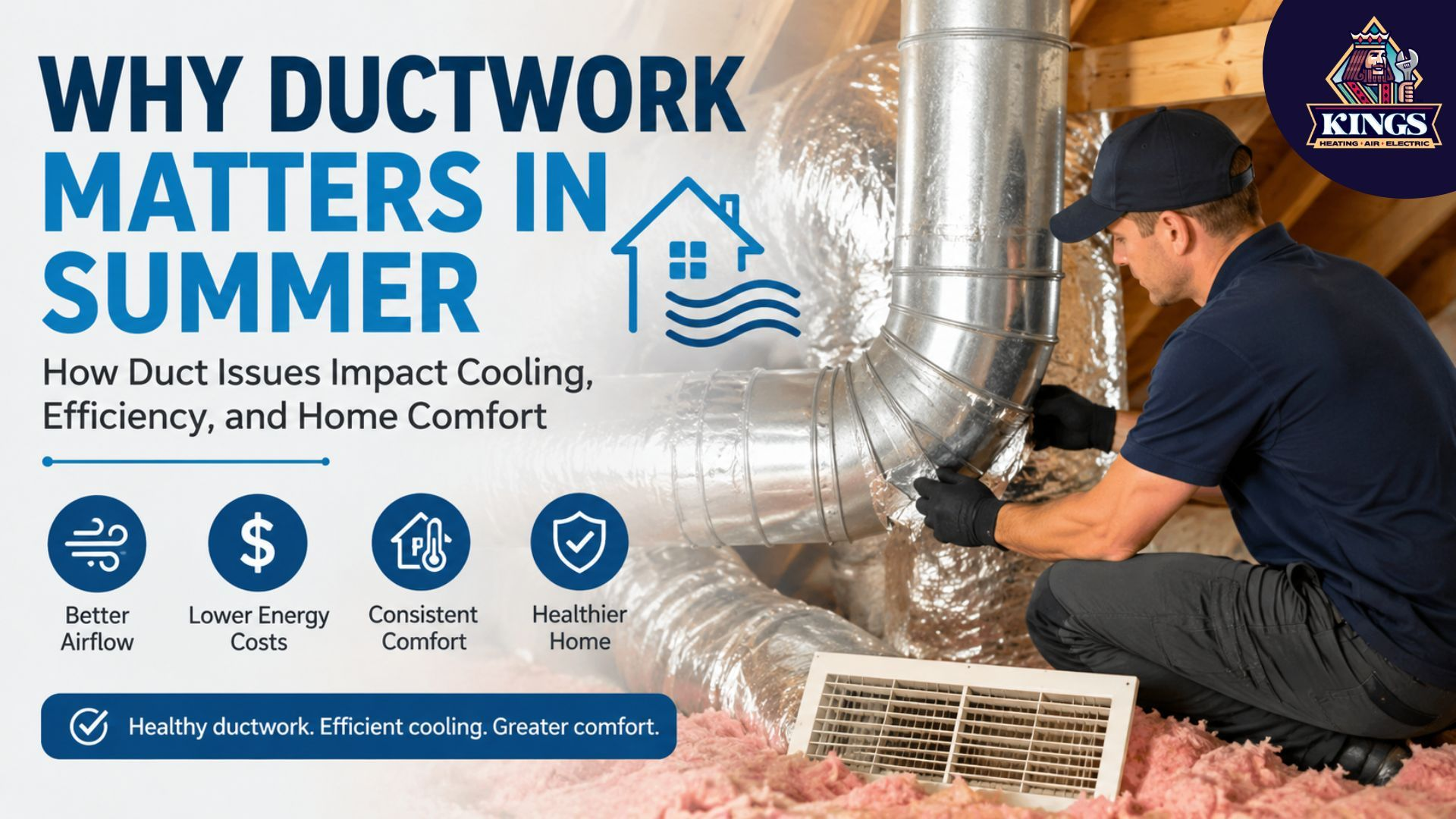
Introduction As summer temperatures arrive in Lynnwood, many homeowners focus on their air conditioner when trying to stay comfortable and control energy costs. However, one of the most overlooked parts of an HVAC system is the ductwork. Even a properly functioning air conditioner can struggle to cool a home efficiently if the duct system has leaks, damage, airflow restrictions, or hidden performance issues. Ductwork acts as the pathway that delivers conditioned air throughout the home. When problems develop inside the duct system, cooled air may never reach the rooms where it is needed most. This can lead to uneven temperatures, weak airflow, higher utility bills, and unnecessary strain on the HVAC system. Many homeowners do not realize ductwork problems exist until cooling costs begin to rise or comfort issues become difficult to ignore. Identifying these issues early through routine air conditioning maintenance and seasonal HVAC inspections can help improve cooling efficiency, support indoor comfort, and reduce long-term operating costs. Many homeowners rely on Kings Heating, Air & Electric for HVAC maintenance service, ductwork inspection, airflow diagnostics, seasonal HVAC inspections, and cooling system evaluations to help improve energy-efficient cooling during the summer months. Ductwork Plays a Critical Role in HVAC Performance The air conditioner may produce cool air, but the duct system is responsible for delivering that air throughout the home. Conditioned Air Must Travel Through the Duct System Every room depends on properly functioning ductwork to receive conditioned air. If the ducts are damaged, leaking, or obstructed, airflow may be reduced before it reaches living spaces. This can result in: Weak airflow from vents Uneven temperatures between rooms Longer cooling cycles Increased energy consumption Reduced HVAC performance Higher cooling costs Even small ductwork problems can have a significant impact on home comfort and HVAC efficiency. Duct Problems Often Develop Out of Sight Unlike thermostats or air conditioning units, ductwork is usually hidden behind walls, ceilings, attics, and crawlspaces. Because these areas are not easily visible, problems can develop for years without being noticed. Many Lynnwood homeowners only discover ductwork issues after experiencing rising utility bills, weak airflow, or declining cooling performance. Leaking Ducts Can Waste Conditioned Air One of the most common ductwork issues is air leakage. Cool Air May Escape Before Reaching Living Spaces Small holes, loose connections, damaged seals, or deteriorated duct sections can allow conditioned air to escape into attics, crawlspaces, and wall cavities. This means the HVAC system must work harder to compensate for the lost airflow. Common signs of duct leakage include: Higher summer utility bills Weak airflow from vents Rooms that never cool properly Excessive HVAC run times Uneven temperatures throughout the home Reduced energy-efficient cooling performance Duct leakage can significantly reduce HVAC efficiency when conditioned air escapes before reaching occupied rooms. Air Leaks Increase HVAC System Strain When conditioned air is lost through leaks, the cooling system operates longer to maintain thermostat settings. Over time, this additional workload may contribute to: Increased equipment wear Reduced HVAC performance More frequent repair needs Shortened system lifespan Higher cooling costs Addressing duct leaks early can help improve airflow and protect the overall HVAC system. Dirty Ductwork Can Restrict Airflow Airflow problems are not always caused by leaks. In some homes, buildup inside the duct system can restrict airflow. Dust and Debris Can Accumulate Over Time Over the years, ductwork may collect: Dust Dirt particles Pet hair Construction debris Other airborne contaminants This buildup may partially block airflow and reduce overall cooling performance. Restricted Airflow Affects Comfort and Efficiency When airflow becomes restricted, homeowners may notice: Reduced airflow from vents Inconsistent room temperatures Excessive indoor dust Reduced HVAC efficiency Longer cooling cycles Increased strain on system components Routine HVAC inspections can help determine whether dirty ductwork is contributing to airflow restrictions. Ductwork Problems Can Affect Indoor Air Quality Many homeowners think of ductwork only in terms of airflow and cooling performance, but it can also impact indoor air quality. Damaged Ducts May Allow Contaminants Into the System Leaking or damaged ductwork may pull dust, insulation particles, allergens, and other contaminants into the HVAC system. This can contribute to: Increased dust accumulation Allergy symptoms Poor indoor air quality Additional HVAC filter strain Reduced comfort indoors Addressing ductwork problems can help improve both HVAC performance and overall indoor air quality. Damaged Ductwork Can Reduce Cooling Efficiency Physical damage to the duct system can negatively affect airflow and cooling performance. Aging Duct Systems May Deteriorate Older homes in Lynnwood often have duct systems that have experienced years of wear and tear. Common issues include: Crushed duct sections Detached connections Torn flexible ducts Corrosion Missing insulation around ducts These conditions may reduce airflow and force the HVAC system to work harder. Improper Duct Design Can Create Hot and Cold Spots Some homes were built with duct systems that do not distribute airflow evenly. This may result in: Hot upstairs rooms Cold lower-level rooms Uneven cooling Constant thermostat adjustments Reduced comfort throughout the home Airflow diagnostics can help identify opportunities to improve HVAC performance. Ductwork Problems Often Lead to Higher Energy Bills Many homeowners notice rising cooling costs before they realize ductwork is causing the issue. HVAC Systems Work Harder to Compensate When conditioned air is lost or airflow is restricted, the HVAC system must run longer cycles to cool the home. This often increases: Electricity usage Monthly utility bills Equipment wear HVAC maintenance needs Improving ductwork performance often helps restore energy-efficient cooling throughout the home. Energy Loss Can Add Up Over Time Even relatively small duct leaks can waste significant amounts of conditioned air over an entire cooling season. Scheduling a seasonal HVAC inspection before peak summer temperatures arrive can help identify ductwork issues before they begin affecting cooling costs. Signs It May Be Time for a Ductwork Inspection Many homeowners are unsure when ductwork should be professionally evaluated. Common Warning Signs Include Weak airflow from vents Uneven room temperatures Rising cooling costs Excessive dust indoors HVAC systems running constantly Rooms that never seem comfortable Older duct systems Reduced indoor air quality If any of these issues are present, a professional HVAC inspection may help identify the source of the problem. How HVAC Maintenance Services Help Identify Duct Problems Routine HVAC maintenance service often includes more than inspecting the air conditioner itself. Comprehensive HVAC Inspections Evaluate Airflow A professional technician may assess: Duct leakage Airflow balance Vent performance HVAC efficiency Indoor air quality concerns System strain levels Duct insulation condition Cooling system performance These evaluations help uncover hidden problems that may be increasing cooling costs. Many homeowners throughout Lynnwood and surrounding communities rely on Kings Heating, Air & Electric for HVAC maintenance service, HVAC inspections, ductwork inspection, AC tune-ups, airflow diagnostics, and seasonal HVAC inspections. Why Early Ductwork Repairs Can Save Money Waiting until cooling costs become excessive may allow small ductwork problems to grow into larger issues. Early Repairs Often Prevent Bigger Problems Addressing ductwork concerns early may help: Improve airflow Reduce cooling costs Increase HVAC efficiency Improve indoor comfort Support better indoor air quality Extend equipment lifespan Reduce unnecessary HVAC repair service calls Proactive maintenance is often more cost-effective than reacting to major performance issues later. FAQ Why is ductwork important for cooling performance? Ductwork delivers conditioned air throughout the home. If ducts are leaking, damaged, or restricted, cooling performance and HVAC efficiency can decrease significantly. Can leaking ducts increase energy bills? Yes. Leaking ducts allow conditioned air to escape before reaching living spaces, forcing the HVAC system to run longer and consume more energy. How do I know if my ductwork needs inspection? Common signs include weak airflow, uneven temperatures, rising cooling costs, excessive dust, reduced indoor air quality, and rooms that remain uncomfortable. Can dirty ducts reduce airflow? Yes. Dust, debris, and other contaminants can accumulate inside ductwork and partially restrict airflow. What is a seasonal HVAC inspection? A seasonal HVAC inspection is a professional evaluation of your cooling system before periods of heavy use. It may help identify airflow, ductwork, and efficiency issues before they become larger problems. Can ductwork repairs improve HVAC efficiency? Yes. Repairing leaks, improving airflow, and addressing duct damage can help the HVAC system operate more efficiently while reducing cooling costs. Final Thoughts Ductwork is one of the most important yet overlooked components of a home's cooling system. When ducts leak, become damaged, or develop airflow restrictions, the HVAC system must work harder to maintain comfortable temperatures. For Lynnwood homeowners, checking ductwork before cooling costs rise can help improve airflow, support better indoor air quality, increase HVAC performance, and reduce energy consumption throughout the summer season. Combining regular air conditioning maintenance, seasonal HVAC inspections, ductwork evaluations, and airflow diagnostics can help homeowners identify hidden problems before they affect comfort or efficiency. In many cases, improving ductwork performance is one of the most effective ways to achieve energy-efficient cooling while extending the lifespan of HVAC equipment.
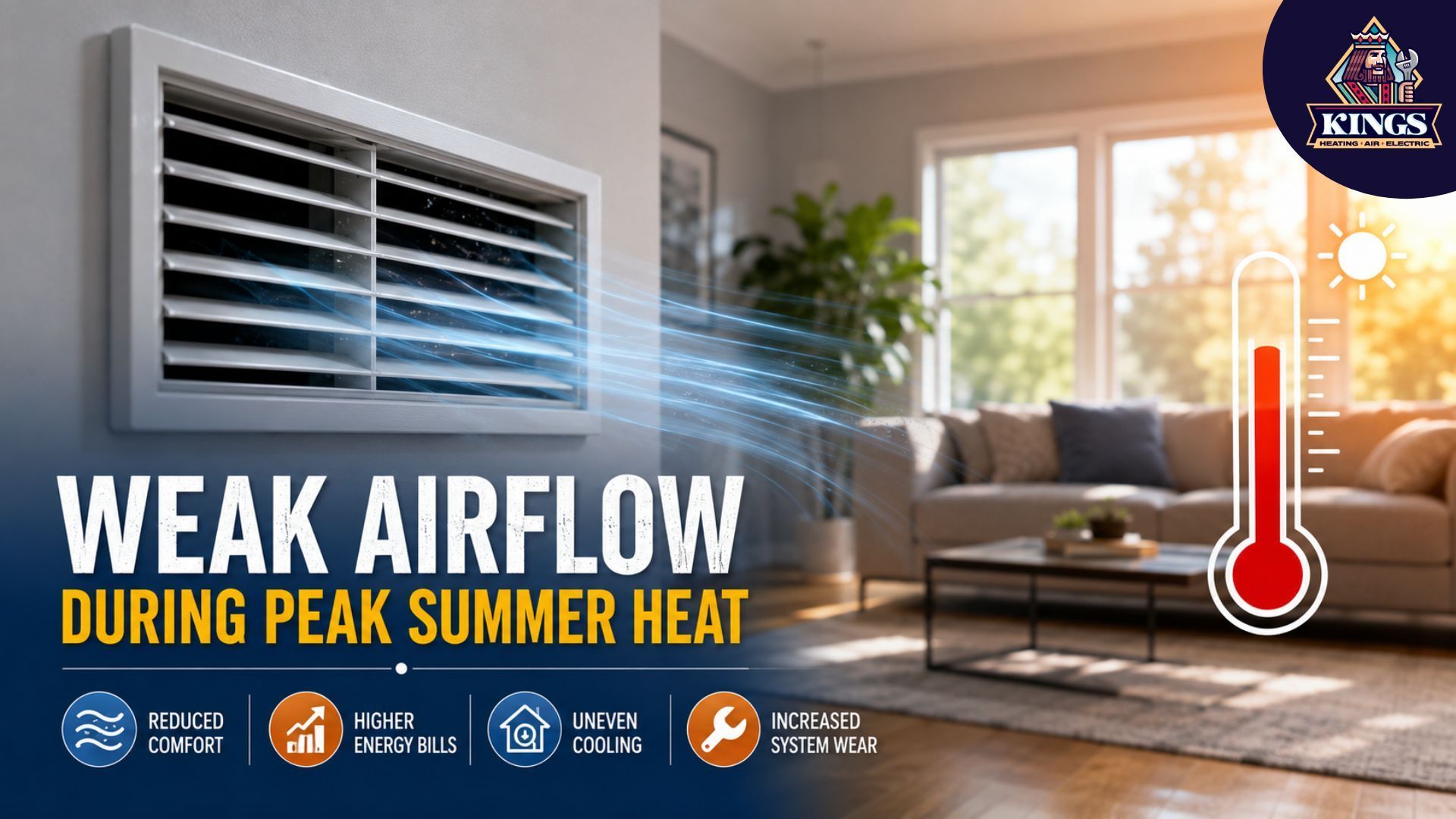
What Causes Weak Airflow in Lynnwood Homes During Peak Summer Heat
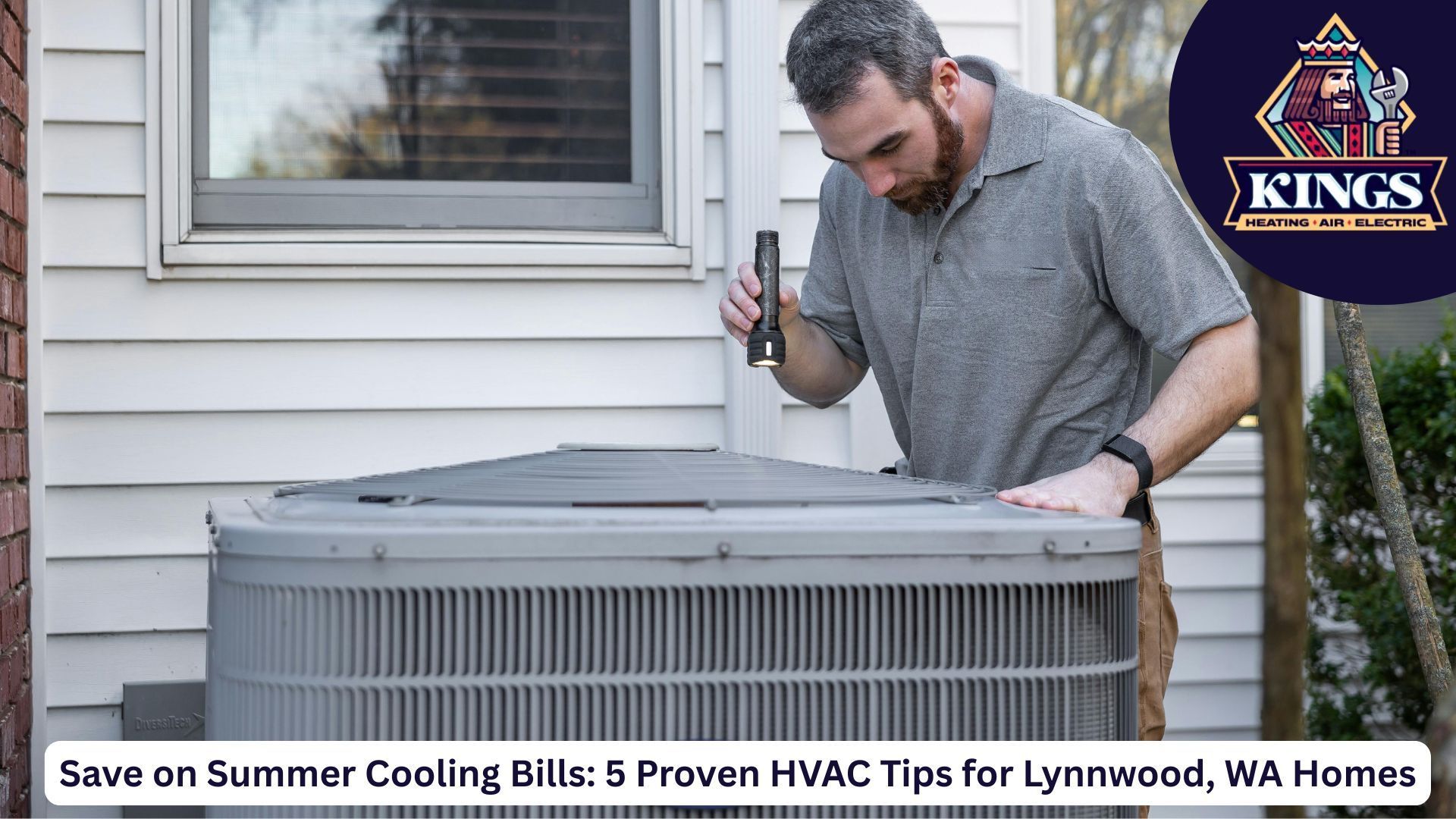
Lower summer cooling costs in Lynnwood, WA with expert HVAC tips from Kings Heating. Improve efficiency, reduce energy bills, and stay comfortable all season.